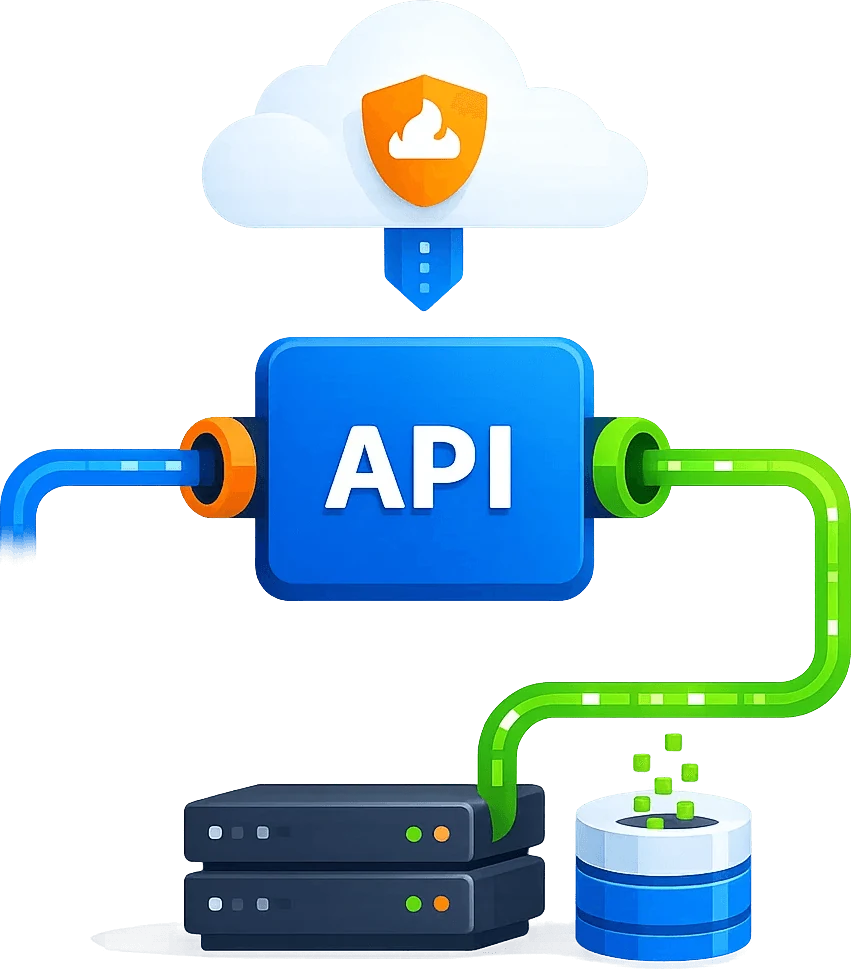
Ad intelligence with Cloudflare and DataDome access handling
Collect permitted ad creatives, landing-page structure and campaign changes with regional context intact. Scrapingbypass handles Cloudflare JS Challenge and Turnstile, while the DataDome browser integration workflow guides supported DataDome targets. Preserve the approved session and validate page content before turning screenshots or HTML into campaign evidence.
Start Free Trial API DOCs Code generator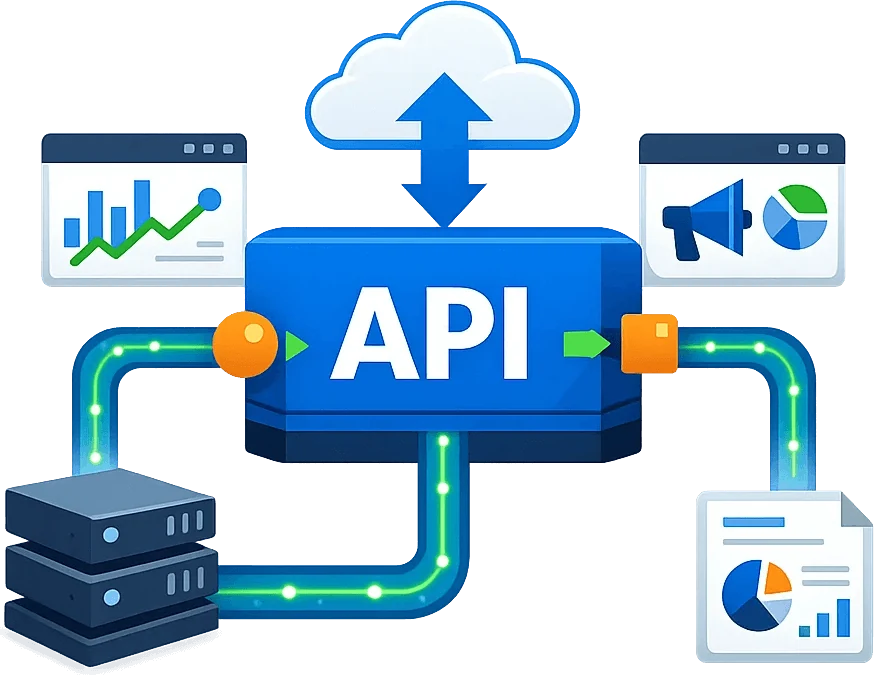
Why Is Marketing & Advertising Data Collection So Difficult?
4 Common Pain Points in Marketing & Advertising Data Collection
Ad platforms and media sites use aggressive anti-bot protection, frequent verification steps, and constantly changing page structures. Data extraction workflows often fail at verification or get blocked, causing missing data, delays, and poor reproducibility - directly reducing the efficiency of performance analysis and campaign optimization.
-
Cloudflare Verification Blocks Collection Requests
Cloudflare challenges can prevent raw HTML access and frequently break automated scraping.
-
Dynamic Ad Creatives & Landing Pages Are Hard to Capture
Content often relies on scripts and async APIs, so direct requests may return incomplete or empty results.
-
High Concurrency Triggers Risk Controls and Blocks
As request volume increases, rate limits and restrictions kick in - IPs and sessions expire fast and success rates drop sharply.
-
Inconsistent Data Makes Cross-Validation Difficult
The same page may return different versions, causing unstable extraction results and unreliable monitoring and backtesting.
Technical Support Contact

Turn "It Loads" Into "Reliable, Repeatable Data Extraction" with Scrapingbypass API
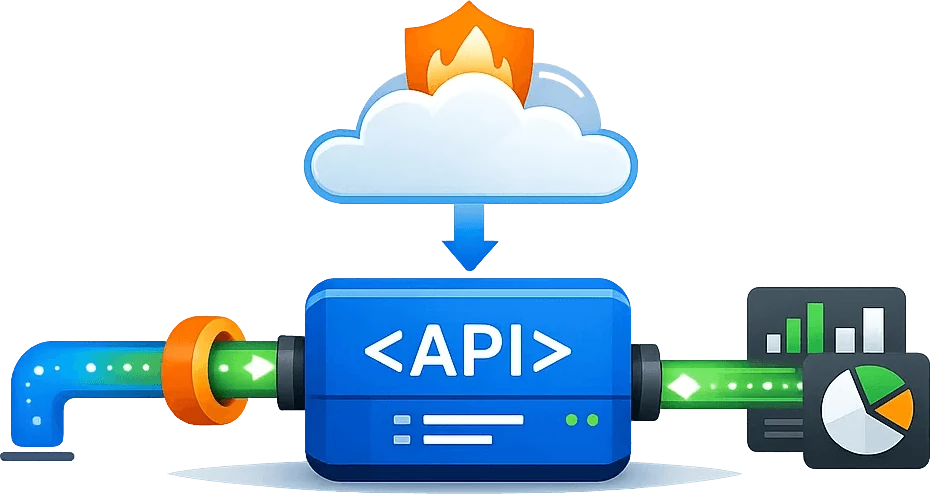
Scrapingbypass API packages verification handling, session persistence, and human-like request simulation into a simple, callable interface. It returns clean, usable HTML source code - ideal for high-frequency marketing scraping, bulk data collection, and continuously updated monitoring workflows.
-
Automated Anti-Bot Challenge Handling
Bring Cloudflare verification handling and confirmed DataDome workflows into regional ad checks. Preserve country and session context, then verify the landing-page URL and expected campaign content before comparing placements.
-
More Stable Session Persistence
Reuses validated sessions and renews them automatically after passing challenges, reducing repeated verification costs - perfect for long-term tracking of ads, landing pages, and campaign changes.
-
High-Concurrency Scraping Support
Built for large-scale, parallel scraping jobs to reduce retries and timeouts - keeping marketing intelligence collection continuous, consistent, and more reliable.
-
Full Control of Fingerprints & Request Parameters
Customize key parameters like User-Agent, Referer, and Headless behavior to better mimic real-user traffic and reduce the risk of triggering bot detection or anti-scraping protections.

Use Cases
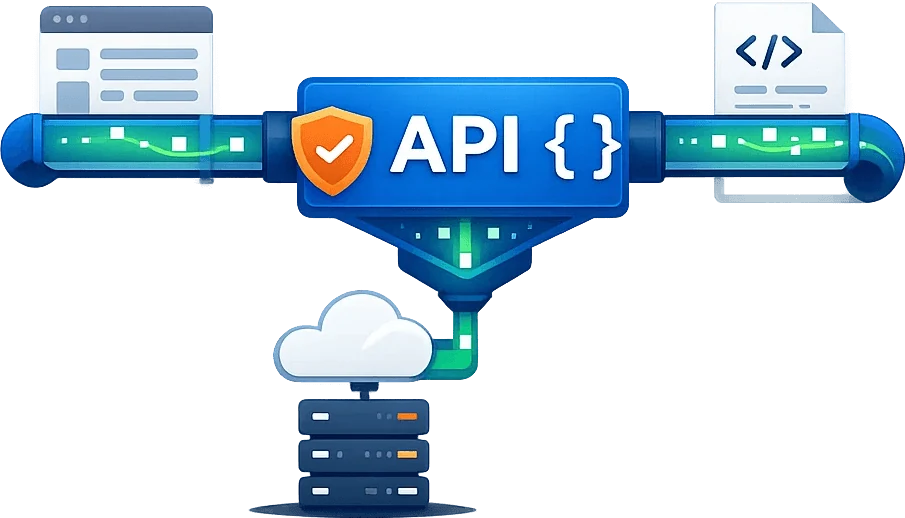
Built for marketing and advertising data collection - especially when you need to bypass Cloudflare and other verification systems to achieve stable, scalable web scraping
Competitor Ad Creative Library Monitoring
Continuously track competitor creative refresh cycles across channels, regions, and time windows. Build structured ad creative datasets faster, spot high-frequency patterns, and improve iteration decisions with clearer creative signals.
Landing Page Structure Snapshots & Versioning
Capture versioned snapshots of landing pages to record layout modules, copy hierarchy, and conversion path changes. Great for A/B comparisons, campaign retrospectives, and preventing data gaps after page updates.
Channel Exposure & Campaign Hub Scraping
Scrape campaign entry pages, featured sections, and aggregated listings to monitor promotion cadence, placement changes, and creative swaps - ideal for seasonal peaks, short-cycle campaigns, and trend tracking.
Keyword Rankings & SEO Competitor Tracking
Regularly collect search result pages and keyword trend data to build ranking curves and visibility history. Use it to expand PPC keyword sets, optimize content strategy, and analyze competitor growth trajectories.
Scraping in High-Protection Media Environments
For media and utility sites with stronger Cloudflare defenses, Scrapingbypass API helps you reliably retrieve HTML source and maintain a high-availability scraping pipeline - reducing data loss and delays caused by bot blocks and challenges.
High-Frequency Monitoring & Bulk Updates
Designed for hourly or minute-level updates. Automate and operationalize your scraping workflows with large-scale concurrent monitoring and incremental refresh - keeping datasets complete and ready for continuous comparison analysis.
Scrapingbypass Onboarding Workflow
1.Create Your Account
Register a Scrapingbypass API account - Sign Up Now
Register a Scrapingbypass Proxy account - Sign Up Now
One account gives you API and proxy access. Log in within 30 days and open Trial Activity from the gift icon to claim trial credits and traffic.
2.Test with the Code Generator
Enter your target URL in the Code Generator to test Cloudflare bypass. For DataDome-protected targets, review the DataDome CAPTCHA solver API workflow and confirm challenge compatibility with support before testing.
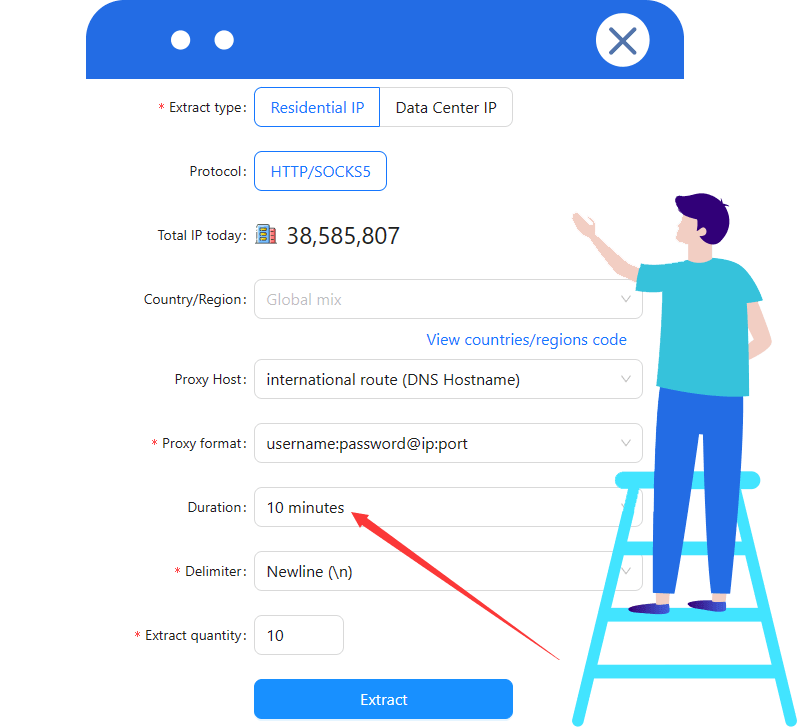
V1 includes a rotating proxy. V2 requires a stable proxy IP; configure a sticky session of at least 10 minutes when using Scrapingbypass rotating proxies.
For assistance, see the API documentation or contact Scrapingbypass Support.
3.Integrate the Scrapingbypass API
Integrate the confirmed Cloudflare or DataDome workflow into your application. Keep the proxy IP and session consistent, then validate the returned content before deployment.
4.Select a Pricing Plan
Choose a plan based on your usage - View Pricing
Choose a credit plan for Cloudflare JS Challenge. For DataDome CAPTCHA handling, confirm compatibility and pricing before purchasing.
For proxy traffic, select a Rotating Datacenter or Rotating Residential proxy plan.
Cloudflare bypass uses API credits and may require proxy support. For DataDome bypass, confirm supported targets and billing before choosing a plan. A proxy alone is not a CAPTCHA solver.

Scrapingbypass API Pricing
Handle Cloudflare challenges on 95%+ of websites and scrape data with confidence
Starting at $0.35 per 1,000 verifications. Failed requests are not charged. Each successful request uses 1 credit (Scrapingbypass V2 uses 3 credits).
Basic Plan
-
$49
-
Credits:80000Validity:30 DaysSpeed:20 req/s
Standard Plan
-
$79
-
Credits:300000Validity:30 DaysSpeed:20 req/s
Advanced Plan
-
$129
-
Credits:1000000Validity:30 DaysSpeed:25 req/s
Pro Plan
-
$259
-
Credits:2200000Validity:30 DaysSpeed:25 req/s
Premium Plan
-
$489
-
Credits:4600000Validity:30 DaysSpeed:30 req/s
-
Best Value
Ultimate Plan
-
$1056
-
Credits:12000000Validity:30 DaysSpeed:30 req/s
Need more credits than the standard plans provide? Get a custom plan tailored to your workload Unlimited credits / Dedicated servers / Higher concurrency / Priority technical support
Contact Us for a Custom Plan Buy Rotating IPsFAQFrequently Asked Questions
Why does marketing and ad data scraping get blocked by Cloudflare so easily?
Marketing and ad signals often live on high-value pages (creative libraries, landing pages, rankings, and lists). These endpoints see frequent requests and predictable traffic patterns, which can quickly trigger Cloudflare's protections like the 5-second checks, JavaScript challenges, or Turnstile - resulting in failed fetches or blank responses.
What types of Cloudflare challenges can Scrapingbypass API handle?
Scrapingbypass API can handle Cloudflare's 5-second checks and JavaScript challenges, and it also supports Turnstile-protected flows - so your crawler is more likely to receive clean, parseable HTML.
After passing the challenge, how do we keep long-running monitoring stable?
For long-running monitoring, stability comes down to session reuse and token validity management. After a successful challenge, Scrapingbypass API can preserve the session and reuse it within its valid window - reducing repeated verification, minimizing volatility, and lowering failure rates over time.
We run high concurrency - how can we reduce blocks and retry costs?
A common approach is to separate challenge-handling, realistic request behavior, and concurrency orchestration into a more reliable acquisition layer. Scrapingbypass API returns the target page HTML directly and supports high-concurrency calls - helping reduce pipeline breaks and unnecessary retries.
Our landing pages are dynamically rendered - will we miss key content?
Many landing pages rely on scripts and async APIs, so a plain HTTP fetch can return incomplete content. Scrapingbypass API provides a more "real-user" request environment plus flexible parameter/header controls, which significantly increases your chances of getting usable, complete content.
Do we need to rewrite our existing crawler to integrate Scrapingbypass API?
Not at all. Scrapingbypass API offers a unified HTTPS entry point - so you can usually just swap the request target in your existing code and add the required headers/parameters. It's quick to integrate across most languages and stacks.